Once upon a time, not so long ago, Marine One was able to fly through wind and rain.
It wasn't even a Democrat plot even Republican CinCs did it.
Age was also no barrier as the eldest President ever managed rain on Marine One.
But in this day and age, even with a visit to a World War One cemetery at stake, health and security makes this no longer possible...
...hang on isn't that Trump, Marine One and rain?
As five of my relatives' bodies were never recovered from the mud that was France and Flanders in World War I, I consider this excuse for not attending a war cemetery disrespectful to all the war dead, of all nations who fought in World War I. Their names alone are on walls around the battlefields. WE WILL REMEMBER THEM
The blog and musings of Stephen Glenn Liberal Democrat activist, blogger and three time Westminster candidate. Content © Stephen Glenn 2005-2026
Showing posts with label Remembrance. Show all posts
Saturday, 10 November 2018
Friday, 1 April 2016
Philatelic Friday 1: WWI Centenary Gibraltar Part 1
I've decided to start a new series on this blog which will delve into my stamp collection on a weekly basis. And to start it all off I'm looking into the part of my collection that has really grabbed by attention recently and which is going to grow over the next few years as various nations and stamp issuing territories honour their part in World War I.
The decision of course is which location to kick off. I decided that this set from Gibraltar is a good place to kick off.
Designed by Westminster collection this set of 6 stamps was issued on 19th February 2014. The stamps are all 42.58mm x 28.45mm and while largely using black and white photography are printing in four colours (mainly to account for the poppy)
The 12p stamp in the famous Lord Kitchener "Your Country Needs You" recruitment poster. Of course the fact that Kitchener was killed of West Coast of the Orkney Islands on board HMS Hampshire may have some draw as to why I chose this first stamp in the collection to focus on with my political connections to both locations coming in the year before the celebration of WWI started.
The 40p stamp shows a scene that was repeated around the Empire of Army and Navy recruitment stations where young men flocked to sign up for the "great adventure" fully expecting to be home by Christmas. The soldier with the record player is probably either playing speeches from the leaders or patriotic music.
On the 50p stamp we see a scene of one young man fully kitted up saying goodbye to his family. This was a scene that was witnessed all across the land. From researching my own family history and especially with the friends brigades it would often be a scene that would be repeated up and down the streets in the same area at many doors as all the young men headed to the same camp in the same location at the same time. It is highly likely that my Grandfather's cousin James McGonigle Glenn who in 1911 was on the Census Barracked in Aldershot would be one of the first from the Fountain area of Londonderry to have had a weekends leave before heading to the front, long before the new recruits followed behind.
The 64p stamp shows the Quartermaster measuring up the new recruits so that they could look as smart as the professional soldiers who had years of training and preparation before them. All of them of course would soon enough be undistinguishable from each other side by side in the trenches.
On the 68p stamp we see the few short weeks of training that these new recruits were to receive at home before being dispatched to the front line. It was enough to learn discipline, use of weapons and basic tactics.
Finally on the £1 stamp we see smiling faces as the men are finally on their way. Heading by train to a coastal port from where they will sail to continental Europe and the front.
Off course these stamps appear on a first day cover which shows the cancellation that the Gibraltar Post Office is using for their WWI Centenary collection. At the centre is a poppy surrounded by the words "Centenary of World War I 1914-1918". On the left of the cover is an image of the men in the trenches, with the mud and the smiles no longer visible. Below is a red band which features a coloured version of the poppy used on the cancellation.
The decision of course is which location to kick off. I decided that this set from Gibraltar is a good place to kick off.
Designed by Westminster collection this set of 6 stamps was issued on 19th February 2014. The stamps are all 42.58mm x 28.45mm and while largely using black and white photography are printing in four colours (mainly to account for the poppy)
The 12p stamp in the famous Lord Kitchener "Your Country Needs You" recruitment poster. Of course the fact that Kitchener was killed of West Coast of the Orkney Islands on board HMS Hampshire may have some draw as to why I chose this first stamp in the collection to focus on with my political connections to both locations coming in the year before the celebration of WWI started.
The 40p stamp shows a scene that was repeated around the Empire of Army and Navy recruitment stations where young men flocked to sign up for the "great adventure" fully expecting to be home by Christmas. The soldier with the record player is probably either playing speeches from the leaders or patriotic music.
On the 50p stamp we see a scene of one young man fully kitted up saying goodbye to his family. This was a scene that was witnessed all across the land. From researching my own family history and especially with the friends brigades it would often be a scene that would be repeated up and down the streets in the same area at many doors as all the young men headed to the same camp in the same location at the same time. It is highly likely that my Grandfather's cousin James McGonigle Glenn who in 1911 was on the Census Barracked in Aldershot would be one of the first from the Fountain area of Londonderry to have had a weekends leave before heading to the front, long before the new recruits followed behind.
The 64p stamp shows the Quartermaster measuring up the new recruits so that they could look as smart as the professional soldiers who had years of training and preparation before them. All of them of course would soon enough be undistinguishable from each other side by side in the trenches.
On the 68p stamp we see the few short weeks of training that these new recruits were to receive at home before being dispatched to the front line. It was enough to learn discipline, use of weapons and basic tactics.
Finally on the £1 stamp we see smiling faces as the men are finally on their way. Heading by train to a coastal port from where they will sail to continental Europe and the front.
Off course these stamps appear on a first day cover which shows the cancellation that the Gibraltar Post Office is using for their WWI Centenary collection. At the centre is a poppy surrounded by the words "Centenary of World War I 1914-1918". On the left of the cover is an image of the men in the trenches, with the mud and the smiles no longer visible. Below is a red band which features a coloured version of the poppy used on the cancellation.
Friday, 5 June 2015
Death of a War Poet: Walter Lyon 8 May 1915
I apologise that during the General Election I missed three centenaries of war poets. These will now appear on Tuesday, Wednesday and Thursday Friday of this week.
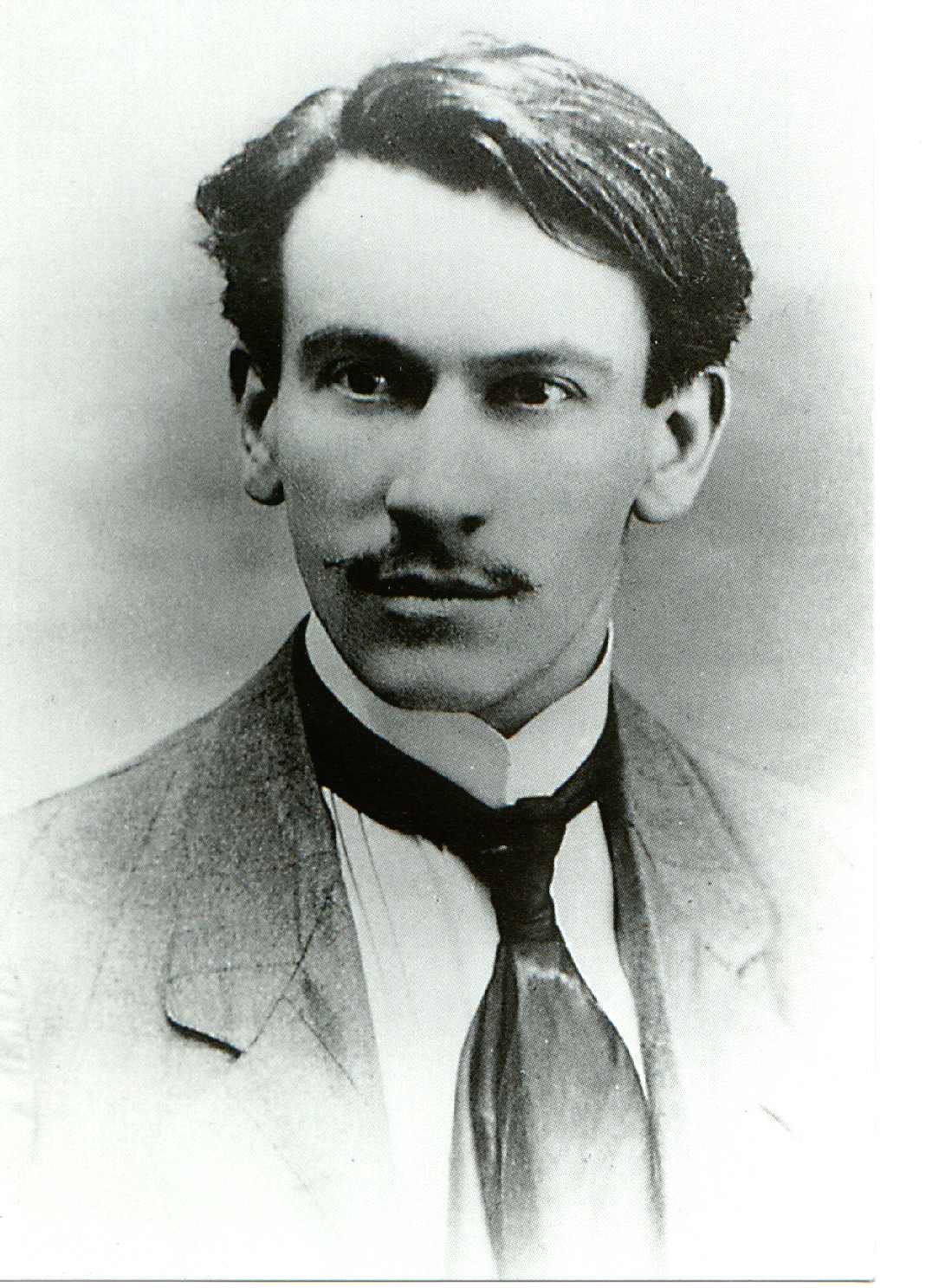
Walter Scott Stuart Lyon was one of five sons of Walter and Isabella Lyon of Tantallon Lodge, North Berwick. He was born on 1 October 1886. He went to Haileybury, before going up to Balliol College, Oxford to study classics.
He volunteered for the 9th Battallion Royal Scots before the war being appointed as a second Lieutenant on 14 December 1909, while at the same time undergoing his law training in Edinburgh. He graduated in law in 1912 and was admitted as a Scottish Advocated later in the same year on Lieutenant on 17th December in the same year.
At the outbreak of war he was appointed staff-captain to the Lothian Brigade but rejoined his battalion in early 1915. In February 1915 Lieutenant Lyon found himself in the terraces near Glencose Wood, Ypres. After this first experience in the line he wrote two poems Easter at Ypres and Lines Written in a Fire Trench. A couple of weeks after this during the fiercest fighting of the second battle of Ypres he wrote two more On a Grave in a Trench and I Tracked a Dead Man Down a Trench.
On 23rd April 1915 he was mentioned in dispatches by Major John Ewing:
In May he was located in dugouts in Potijze Woods near the Menin Road about 200 yards from the firing line. On the 8th May the shelling was so fierce that trees were uprooted and tops sliced by shrapnel. Many men died in the onslaught and like Lyon many had not known grave.
A book of his poems Easter at Ypres 1915 and other poems was published in 1916 a mixture of poems he had written before the war plus the four mentioned here and others from the war period.
Of his brothers two of the others were killed in the war and a third died while a student at Haileybury.
I tracked a dead man down a trench
I tracked a dead man down a trench,
I knew not he was dead. 
They told me he had gone that way,
And there his foot-marks led.
The trench was long and close and curved,
It seemed without an end;
And as I threaded each new bay
I thought to see my friend.
At last I saw his back. He crouched
As still as still could be,
And when I called his name aloud
He did not answer me.
The floor-way of the trench was wet
Where he was crouching dead;
The water of the pool was brown,
And round him it was red.
I stole up softly where he stayed
With head hung down all slack,
And on his shoulders laid my hands
And drew him gently back.
And then, as I had guessed, I saw
His head, and how the crown -
I saw then why he crouched so still,
And why his head hung down.
Walter Scott Stuart Lyon 1 October 1886 North Berwick, East Lothian, Scotland - 8 May 1915 Potijze Woods, Near Ypres, Belgium
Walter Scott Stuart Lyon was one of five sons of Walter and Isabella Lyon of Tantallon Lodge, North Berwick. He was born on 1 October 1886. He went to Haileybury, before going up to Balliol College, Oxford to study classics.
He volunteered for the 9th Battallion Royal Scots before the war being appointed as a second Lieutenant on 14 December 1909, while at the same time undergoing his law training in Edinburgh. He graduated in law in 1912 and was admitted as a Scottish Advocated later in the same year on Lieutenant on 17th December in the same year.
At the outbreak of war he was appointed staff-captain to the Lothian Brigade but rejoined his battalion in early 1915. In February 1915 Lieutenant Lyon found himself in the terraces near Glencose Wood, Ypres. After this first experience in the line he wrote two poems Easter at Ypres and Lines Written in a Fire Trench. A couple of weeks after this during the fiercest fighting of the second battle of Ypres he wrote two more On a Grave in a Trench and I Tracked a Dead Man Down a Trench.
On 23rd April 1915 he was mentioned in dispatches by Major John Ewing:
"C Company had come to a halt behind a hedge which was so thickly girt with barbed wire that men could not break through without great labour. Noticing this, Lieutenant Lyon very cooly stood up and, taking out his wire-cutters, began to make gaps. Machine-guns played with him, but withouy any sign of haste he proceeded with his task, never stopping until he had the rendered the hedge penetrable."
In May he was located in dugouts in Potijze Woods near the Menin Road about 200 yards from the firing line. On the 8th May the shelling was so fierce that trees were uprooted and tops sliced by shrapnel. Many men died in the onslaught and like Lyon many had not known grave.
A book of his poems Easter at Ypres 1915 and other poems was published in 1916 a mixture of poems he had written before the war plus the four mentioned here and others from the war period.
Of his brothers two of the others were killed in the war and a third died while a student at Haileybury.
I tracked a dead man down a trench
I tracked a dead man down a trench,
I knew not he was dead. 
They told me he had gone that way,
And there his foot-marks led.
The trench was long and close and curved,
It seemed without an end;
And as I threaded each new bay
I thought to see my friend.
At last I saw his back. He crouched
As still as still could be,
And when I called his name aloud
He did not answer me.
The floor-way of the trench was wet
Where he was crouching dead;
The water of the pool was brown,
And round him it was red.
I stole up softly where he stayed
With head hung down all slack,
And on his shoulders laid my hands
And drew him gently back.
And then, as I had guessed, I saw
His head, and how the crown -
I saw then why he crouched so still,
And why his head hung down.
Walter Scott Stuart Lyon 1 October 1886 North Berwick, East Lothian, Scotland - 8 May 1915 Potijze Woods, Near Ypres, Belgium
Wednesday, 3 June 2015
Death of a War Poet: Rupert Brooke 23 April 1915
I apologise that during the General Election I missed three centenaries of war poets. These will now appear on Tuesday, Wednesday and Thursday of this week.
Rupert Brooke is one of the best known of the English War Poets, not just amongst those who died but also those who survived.
He was born in Rugby on the 3rd August 1887 the second of Rugby School schoolmaster William Parker Brooke. He travelled Europe and wrote a thesis John Webster and the Elizabethan Drama which earned him a place at King's College, Cambridge to read Classics. While up at Cambridge he became a member of the Cambridge Apostles, was elected President of the Cambridge University Fabian Society and formed the Marlowe Society drama club.
He made friends with the Bloomsbury group of writers some admired his talent, others his boyish good looks, which had allegedly prompted the Irish poet W.B. Yeats to describe him as the "handsomest young man in England". But he was also part of other literary groups the Georgian Poets and the Dymock Group. He also spent some time from 1910 until the outbreak of war renting rooms in the Old Vicarage, Grantchester (now the home of Jeffrey Archer).
He published his first volume of poetry Poems in 1911. Along with his friend Edward Marsh the following year he compiled an anthology Georgian Poetry 1911-12. Marsh was to draw another friend Winston Churchill to the literary talent of his friend Brooke. Just before he died his final volume of poems in his lifetime 1914, and Other Poems (1915) was published. It was based on his five sonnets Peace, Safety, The Dead, The Dead, The Soldier which formed his rally cry to the nation.
In 1912 he suffered what a Harley Street doctor described as a "severe mental breakdown", following three serious relationship breakdowns in the previous five years with the actress Cathleen Nesbitt, his engagement to Noël Olivier and Katherine Laird Cox. But he was widely travelled having spent time in Munich in 1911 to improve his German, and two further visits before the outbreak of war. But he also travelled to USA, Canada and the South Pacific for a year from May 1913. His stay in Tahiti produced some of his best poetry as well as allegedly a daughter with a local woman Taatamata.
Shortly after his return from his trip War was declared, Brooke used his friendship with Churchill to be granted a commission into a new unit of the Royal Naval Division an amphibious unit. He took part in the Antwerp Expedition in October 1914. In February 1915 he set sail with the British Mediterranean Expeditionary Froce bound for Gallipoli. However, Brooke developed sepsis from an infected mosquito bite. He died at 4:46pm on St George's Day, 23 April 1915, which of course is also Shakespeare's birthday on a hospital ship moored in a bay of the Greek Island of Skyros in the Aegean Sea. The expeditionary force had orders to set sail immediately so the Cambridge classics graduate was buried in an olive grove on the island at 11pm.
At his graveside were his close friend William Denis Browne the composer, pianist and music critic (who would die on 4 June at Gallipoli), fellow poet Patrick Shaw-Stewart (who will feature later in this series) and the Prime Minister's son Arthur Asquith who would be wounded out of action having his leg amputate in January 1918 after being wounded on 17 December 1917 with the rank of Brigadier-General.
His younger brother 2nd Lt. William Alfred Cotterill Brooke of the 8th Battalion London Regiment (Post Office Rifles) was to be killed in action near Le Rutoire Farm, France on 14th June 1915, he had only joined his Battalion in France on 25 May.
Rupert Chawner Brooke 3 Aug 1887 Rugby, Warwickshire, England - 23 Apr 1915 Skyros, GreeceSee also: The other poets who died in the war.
Rather than quote his 1914 poems here are two more that sum up the war. The second a fragment was written in the final week of his life.
The Funeral of Youth: Threnody
The day that YOUTH had died,
There came to his grave-side,
In decent mourning, from the country's ends,
Those scatter'd friends
Who had lived the boon companions of his prime,
And laughed with him and sung with him and wasted,
In feast and wine and many-crown'd carouse,
The days and nights and dawnings of the time
When YOUTH kept open house,
Nor left untasted
Aught of his high emprise and ventures dear,
No quest of his unshar'd --
All these, with loitering feet and sad head bar'd,
Followed their old friend's bier.
FOLLY went first,
With muffled bells and coxcomb still revers'd;
And after trod the bearers, hat in hand --
LAUGHTER, most hoarse, and Captain PRIDE with tanned
And martial face all grim, and fussy JOY,
Who had to catch a train, and LUST, poor, snivelling boy;
These bore the dear departed.
Behind them, broken-hearted,
Came GRIEF, so noisy a widow, that all said,
"Had he but wed
Her elder sister SORROW, in her stead!"
And by her, trying to soothe her all the time,
The fatherless children, COLOUR, TUNE, and RHYME
(The sweet lad RHYME), ran all-uncomprehending.
Then, at the way's sad ending,
Round the raw grave they stay'd. Old WISDOM read,
In mumbling tone, the Service for the Dead.
There stood ROMANCE,
The furrowing tears had mark'd her rouged cheek;
Poor old CONCEIT, his wonder unassuaged;
Dead INNOCENCY's daughter, IGNORANCE;
And shabby, ill-dress'd GENEROSITY;
And ARGUMENT, too full of woe to speak;
PASSION, grown portly, something middle-aged;
And FRIENDSHIP -- not a minute older, she;
IMPATIENCE, ever taking out his watch;
FAITH, who was deaf, and had to lean, to catch
Old WISDOM's endless drone.
BEAUTY was there,
Pale in her black; dry-eyed; she stood alone.
Poor maz'd IMAGINATION; FANCY wild;
ARDOUR, the sunlight on his greying hair;
CONTENTMENT, who had known YOUTH as a child
And never seen him since. And SPRING came too,
Dancing over the tombs, and brought him flowers --
She did not stay for long.
And TRUTH, and GRACE, and all the merry crew,
The laughing WINDS and RIVERS, and lithe HOURS;
And HOPE, the dewy-eyed; and sorrowing SONG; --
Yes, with much woe and mourning general,
At dead YOUTH's funeral,
Even these were met once more together, all,
Who erst the fair and living YOUTH did know;
All, except only LOVE. LOVE had died long ago.
[Fragment]
I strayed about the deck, an hour, to-night
Under a cloudy moonless sky; and peeped
In at the windows, watched my friends at table,
Or playing cards, or standing in the doorway,
Or coming out into the darkness. Still
No one could see me.
I would have thought of them
-Heedless, within a week of battle - in pity,
Pride in their strength and in the weight and firmness
And link'd beauty of bodies, and pity that
This gay machine of splendour 'ld soon be broken,
Thought little of, pashed, scattered ...
Only, always,
I could but see them - against the lamplights - pass
Like coloured shadows, thinner than filmy glass,
Slight bubble, fainter than the wave's faint light,
That broke to phosphorus out in the night,
Perishing things and strange ghosts - soon to die
To other ghosts - this one, or that, or I.
Rupert Brooke is one of the best known of the English War Poets, not just amongst those who died but also those who survived.
He was born in Rugby on the 3rd August 1887 the second of Rugby School schoolmaster William Parker Brooke. He travelled Europe and wrote a thesis John Webster and the Elizabethan Drama which earned him a place at King's College, Cambridge to read Classics. While up at Cambridge he became a member of the Cambridge Apostles, was elected President of the Cambridge University Fabian Society and formed the Marlowe Society drama club.
He made friends with the Bloomsbury group of writers some admired his talent, others his boyish good looks, which had allegedly prompted the Irish poet W.B. Yeats to describe him as the "handsomest young man in England". But he was also part of other literary groups the Georgian Poets and the Dymock Group. He also spent some time from 1910 until the outbreak of war renting rooms in the Old Vicarage, Grantchester (now the home of Jeffrey Archer).
He published his first volume of poetry Poems in 1911. Along with his friend Edward Marsh the following year he compiled an anthology Georgian Poetry 1911-12. Marsh was to draw another friend Winston Churchill to the literary talent of his friend Brooke. Just before he died his final volume of poems in his lifetime 1914, and Other Poems (1915) was published. It was based on his five sonnets Peace, Safety, The Dead, The Dead, The Soldier which formed his rally cry to the nation.
In 1912 he suffered what a Harley Street doctor described as a "severe mental breakdown", following three serious relationship breakdowns in the previous five years with the actress Cathleen Nesbitt, his engagement to Noël Olivier and Katherine Laird Cox. But he was widely travelled having spent time in Munich in 1911 to improve his German, and two further visits before the outbreak of war. But he also travelled to USA, Canada and the South Pacific for a year from May 1913. His stay in Tahiti produced some of his best poetry as well as allegedly a daughter with a local woman Taatamata.
Shortly after his return from his trip War was declared, Brooke used his friendship with Churchill to be granted a commission into a new unit of the Royal Naval Division an amphibious unit. He took part in the Antwerp Expedition in October 1914. In February 1915 he set sail with the British Mediterranean Expeditionary Froce bound for Gallipoli. However, Brooke developed sepsis from an infected mosquito bite. He died at 4:46pm on St George's Day, 23 April 1915, which of course is also Shakespeare's birthday on a hospital ship moored in a bay of the Greek Island of Skyros in the Aegean Sea. The expeditionary force had orders to set sail immediately so the Cambridge classics graduate was buried in an olive grove on the island at 11pm.
At his graveside were his close friend William Denis Browne the composer, pianist and music critic (who would die on 4 June at Gallipoli), fellow poet Patrick Shaw-Stewart (who will feature later in this series) and the Prime Minister's son Arthur Asquith who would be wounded out of action having his leg amputate in January 1918 after being wounded on 17 December 1917 with the rank of Brigadier-General.
His younger brother 2nd Lt. William Alfred Cotterill Brooke of the 8th Battalion London Regiment (Post Office Rifles) was to be killed in action near Le Rutoire Farm, France on 14th June 1915, he had only joined his Battalion in France on 25 May.
Rupert Chawner Brooke 3 Aug 1887 Rugby, Warwickshire, England - 23 Apr 1915 Skyros, GreeceSee also: The other poets who died in the war.
Rather than quote his 1914 poems here are two more that sum up the war. The second a fragment was written in the final week of his life.
The Funeral of Youth: Threnody
The day that YOUTH had died,
There came to his grave-side,
In decent mourning, from the country's ends,
Those scatter'd friends
Who had lived the boon companions of his prime,
And laughed with him and sung with him and wasted,
In feast and wine and many-crown'd carouse,
The days and nights and dawnings of the time
When YOUTH kept open house,
Nor left untasted
Aught of his high emprise and ventures dear,
No quest of his unshar'd --
All these, with loitering feet and sad head bar'd,
Followed their old friend's bier.
FOLLY went first,
With muffled bells and coxcomb still revers'd;
And after trod the bearers, hat in hand --
LAUGHTER, most hoarse, and Captain PRIDE with tanned
And martial face all grim, and fussy JOY,
Who had to catch a train, and LUST, poor, snivelling boy;
These bore the dear departed.
Behind them, broken-hearted,
Came GRIEF, so noisy a widow, that all said,
"Had he but wed
Her elder sister SORROW, in her stead!"
And by her, trying to soothe her all the time,
The fatherless children, COLOUR, TUNE, and RHYME
(The sweet lad RHYME), ran all-uncomprehending.
Then, at the way's sad ending,
Round the raw grave they stay'd. Old WISDOM read,
In mumbling tone, the Service for the Dead.
There stood ROMANCE,
The furrowing tears had mark'd her rouged cheek;
Poor old CONCEIT, his wonder unassuaged;
Dead INNOCENCY's daughter, IGNORANCE;
And shabby, ill-dress'd GENEROSITY;
And ARGUMENT, too full of woe to speak;
PASSION, grown portly, something middle-aged;
And FRIENDSHIP -- not a minute older, she;
IMPATIENCE, ever taking out his watch;
FAITH, who was deaf, and had to lean, to catch
Old WISDOM's endless drone.
BEAUTY was there,
Pale in her black; dry-eyed; she stood alone.
Poor maz'd IMAGINATION; FANCY wild;
ARDOUR, the sunlight on his greying hair;
CONTENTMENT, who had known YOUTH as a child
And never seen him since. And SPRING came too,
Dancing over the tombs, and brought him flowers --
She did not stay for long.
And TRUTH, and GRACE, and all the merry crew,
The laughing WINDS and RIVERS, and lithe HOURS;
And HOPE, the dewy-eyed; and sorrowing SONG; --
Yes, with much woe and mourning general,
At dead YOUTH's funeral,
Even these were met once more together, all,
Who erst the fair and living YOUTH did know;
All, except only LOVE. LOVE had died long ago.
[Fragment]
I strayed about the deck, an hour, to-night
Under a cloudy moonless sky; and peeped
In at the windows, watched my friends at table,
Or playing cards, or standing in the doorway,
Or coming out into the darkness. Still
No one could see me.
I would have thought of them
-Heedless, within a week of battle - in pity,
Pride in their strength and in the weight and firmness
And link'd beauty of bodies, and pity that
This gay machine of splendour 'ld soon be broken,
Thought little of, pashed, scattered ...
Only, always,
I could but see them - against the lamplights - pass
Like coloured shadows, thinner than filmy glass,
Slight bubble, fainter than the wave's faint light,
That broke to phosphorus out in the night,
Perishing things and strange ghosts - soon to die
To other ghosts - this one, or that, or I.
Tuesday, 2 June 2015
Death of a War Poet: Louis Pergaud 8 April 1915
I apologise that during the General Election I missed three centenaries of war poets. These will now appear on Tuesday, Wednesday and Thursday of this week.
Louis Pergaud was born on the 22 January 1882 in Belmont, in the Doubs department, of the Franche-Compte Region of France. His father was a school master, and Louis excelled at school earning scholarships which enabled him to continue at school completing his studies at the École Normale in Besançon.
He married his first wife in 1903 after completing a year of military service and resumed teaching as Durnes which he had done for a year before carrying out his year in the 35th Infantry. In 1905 he transferred to Landresse and took his wife with him, but he left both in 1907 and headed to Paris. Here he joined fellow poet, long-time friend and inspiration Leon Deubel hoping to achieve his literary dream.
Before he had left for Paris he had published the first of his two collections of poetry, L'Aube was published in 1904. A second collection L'Herbe d'Anvil followed in 1908. In 1910 his first selection of short stories De Goupil à Margot was published, a second collection La Revanche du Corbeau followed the following year.
However, it was his first novel La Guerre des boutons (1912) in which a play war between small boys in two neighbouring villages, in which the losers have their bottons removed as trophies before being sent home, is the most reflective of the years to come. It becomes more sinister as time goes by and the distinction of play and real violence between the boys becomes more blurred. He published a second novel Le Roman de Miraut in 1913.
At the outbreak of war in 1914 the pacifist writer was conscripted into the French army having been placed on the active reserve list following his national service 12 years before. Thus he was involved in the Battle of Lorraine during the German invasion of his homeland France and subsequently on the Western Front. On the 7th April 1915 his regiment attacked German lines near Fresnes-en-Woëvre, Lorraine. He was shot and wounded and fell on barbed wire becoming trapped. Several hours later German soldiers rescued him and other surviving wounded and he was transported to a field hospital behind the German lines. The morning after he was wounded and rescued a French artillery barrage destroyed the hospital killing Pergaud and others.
His novel La Guerre des boutons remains on the French High School Curriculum, has been filmed five times four of them French (1936, 1962, 2011 twice) and once Irish (1994) with the villages revisited as Ballydowse and Carrickdowse. The French versions make it against the backdrop of the Algerian War in 1936 and one of the 2011 versions in occupied France during WWII.
Louis Pergaud 22 January 1882 Belmont, Doubs, France - 8 April 1915 near Fresnes-en-Woëvre, Lorraine, FranceSee also: The other poets who died in the war.
Louis Pergaud was born on the 22 January 1882 in Belmont, in the Doubs department, of the Franche-Compte Region of France. His father was a school master, and Louis excelled at school earning scholarships which enabled him to continue at school completing his studies at the École Normale in Besançon.
He married his first wife in 1903 after completing a year of military service and resumed teaching as Durnes which he had done for a year before carrying out his year in the 35th Infantry. In 1905 he transferred to Landresse and took his wife with him, but he left both in 1907 and headed to Paris. Here he joined fellow poet, long-time friend and inspiration Leon Deubel hoping to achieve his literary dream.
Before he had left for Paris he had published the first of his two collections of poetry, L'Aube was published in 1904. A second collection L'Herbe d'Anvil followed in 1908. In 1910 his first selection of short stories De Goupil à Margot was published, a second collection La Revanche du Corbeau followed the following year.
However, it was his first novel La Guerre des boutons (1912) in which a play war between small boys in two neighbouring villages, in which the losers have their bottons removed as trophies before being sent home, is the most reflective of the years to come. It becomes more sinister as time goes by and the distinction of play and real violence between the boys becomes more blurred. He published a second novel Le Roman de Miraut in 1913.
At the outbreak of war in 1914 the pacifist writer was conscripted into the French army having been placed on the active reserve list following his national service 12 years before. Thus he was involved in the Battle of Lorraine during the German invasion of his homeland France and subsequently on the Western Front. On the 7th April 1915 his regiment attacked German lines near Fresnes-en-Woëvre, Lorraine. He was shot and wounded and fell on barbed wire becoming trapped. Several hours later German soldiers rescued him and other surviving wounded and he was transported to a field hospital behind the German lines. The morning after he was wounded and rescued a French artillery barrage destroyed the hospital killing Pergaud and others.
His novel La Guerre des boutons remains on the French High School Curriculum, has been filmed five times four of them French (1936, 1962, 2011 twice) and once Irish (1994) with the villages revisited as Ballydowse and Carrickdowse. The French versions make it against the backdrop of the Algerian War in 1936 and one of the 2011 versions in occupied France during WWII.
Louis Pergaud 22 January 1882 Belmont, Doubs, France - 8 April 1915 near Fresnes-en-Woëvre, Lorraine, FranceSee also: The other poets who died in the war.
Sunday, 3 May 2015
We Will Remember Them: Thomas Alexander Mills d. 3 May 1915
The first person that this series will be remembering is the second cousin of my step-great grandmother, the attached chart shows how we are related. Although at the time of Private T.A. Mills death she was a widow who was yet to marry my recently widowed great grandfather.
Thomas Mills was the son of a military man, his father Alexander had fought during the Boer War with the 1st Inniskillings being awarded the King's Medal with two clasp, Queen's Medal with five clasps and Distinguished Service Medal. Unlike many of the young men who will be featured in this series he was a member of His Majesty's Forces before the declaration of war having signed up two weeks earlier.
He joined the Royal Marine Light Infantry (Plymouth Division) and it was with them that he formed part of the 29th Division that engaged in the initial landings in the Dardanelles on 25th April 1915. The campaign is better known today by the name of the peninsula where the Allied Forces got pinned down for months without advancing; Gallipoli.
Just over a week after the initial landings he was declared missing, his father sought further information, but as too many soldiers from the naval division of the army were listed as missing at the time there was a just a standard response.
On Friday 4th August 1916 in First Derry Presbyterian Church his name was among those read out in an act of remembrance for the young men of the City who had already given their lives during the first 2 years of this War. The location of this service means that it was very possible that many of my family on both my father's and mother's sides could have been present as both their father's families worshiped in that church around this time.
The tragedy for the family didn't end with the end of the war abroad. On 23 June 1920 while walking through the streets on the city side of Londonderry his mother Margaret Mills (née Mowbray) was shot in the chest and died as a result of the wounds there had been gunfire in the area around Bishop Street all day and the inquest had asked if the bullet could have come from the predominantly unionist Waterside area across the River Foyle, but found that it probably had come from the republicans on the Cityside. She was an unfortunate victim of the civil war that still saw many members of my family living surrounded by the republicans on the west bank around the Fountain and Abercorn Road. The Mills at this time were living on Orchard Row just off Foyle Road.
Pvt. Thomas Alexander Mills, Royal Marine Light Infantry, Plymouth Bttn. Royal Naval Division
Born Londonderry City, Ireland 1 Mar 1897
Died Gallipoli, Ottoman Empire (Turkey) 3 May 1915
We will remember him
The Royal Marine Light Infantry during the War
The Royal Marines had been founded in 1664 and men had been billeted in Plymouth, the Division in which Thomas was attached, since the formation. In 1855 the marine infantry forces had been renamed the Royal Marine Light Infantry (RMLI) and from that time they were set up to lead on landings on foreign and hostile shores to act as the initial wave as skirmishers.
Thomas Mills was the son of a military man, his father Alexander had fought during the Boer War with the 1st Inniskillings being awarded the King's Medal with two clasp, Queen's Medal with five clasps and Distinguished Service Medal. Unlike many of the young men who will be featured in this series he was a member of His Majesty's Forces before the declaration of war having signed up two weeks earlier.
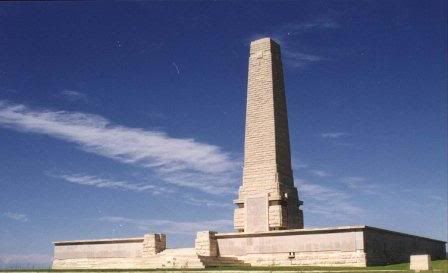
| The Helles Memorial, Turkey where he is remembered |
Just over a week after the initial landings he was declared missing, his father sought further information, but as too many soldiers from the naval division of the army were listed as missing at the time there was a just a standard response.
On Friday 4th August 1916 in First Derry Presbyterian Church his name was among those read out in an act of remembrance for the young men of the City who had already given their lives during the first 2 years of this War. The location of this service means that it was very possible that many of my family on both my father's and mother's sides could have been present as both their father's families worshiped in that church around this time.
The tragedy for the family didn't end with the end of the war abroad. On 23 June 1920 while walking through the streets on the city side of Londonderry his mother Margaret Mills (née Mowbray) was shot in the chest and died as a result of the wounds there had been gunfire in the area around Bishop Street all day and the inquest had asked if the bullet could have come from the predominantly unionist Waterside area across the River Foyle, but found that it probably had come from the republicans on the Cityside. She was an unfortunate victim of the civil war that still saw many members of my family living surrounded by the republicans on the west bank around the Fountain and Abercorn Road. The Mills at this time were living on Orchard Row just off Foyle Road.
Born Londonderry City, Ireland 1 Mar 1897
Died Gallipoli, Ottoman Empire (Turkey) 3 May 1915
We will remember him
The Royal Marine Light Infantry during the War
The Royal Marines had been founded in 1664 and men had been billeted in Plymouth, the Division in which Thomas was attached, since the formation. In 1855 the marine infantry forces had been renamed the Royal Marine Light Infantry (RMLI) and from that time they were set up to lead on landings on foreign and hostile shores to act as the initial wave as skirmishers.
Friday, 17 April 2015
We Will Remember Them: Dr John Joseph Esmonde 17 Apr 1915
Continuing to look at the lives of the MPs who died during the First World War
Dr John Joseph Esmonde was born into the Irish gentry. His father's elder brother also John was the 10th Baronet, who had initially been elected to Westminster for the Irish Liberal Party who later transferred his allegiance to the Independent Irish Party.
John was a Doctor by profession but followed the course of his uncle when he was elected as the Nationalist MP for North Tipperary in 1910. He was married firstly to Rose Magennis and they live in Pontesbury, England until her death in 1901. They had three sons John, Geoffrey and Anthony.
In 1904 he married again to Eily O'Sullivan they would have seven further children.
He was serving with the Royal Army Medical Corps as a Captain when he died of pneumonia and heart failure consequent on the strain of overwork.
He was succeeded in his seat by his 21-year-old son John Lymbrick Esmonde, who at the time of his election was serving as a Second Lieutenant with the Leinster Regiment. A younger son Geoffrey who was a Second Lieutenant in the Tyneside Irish died in Oct 1916 while serving with the Northumberland Fusiliers. A second son Eugene from his second marriage was awarded a posthumous Victoria Cross in 1942 as a pilot in the Royal Navy as part of a torbedo bomber squadron. His youngest son Paddy was another decorated soldier receiving a Miltary Cross for his actions on the Rhine in 1944 like his father in the Royal Army Medical Corps.
Dr John Joseph Esmonde 27 Jan 1862 - 17 Apr 1915 MP for North Tipperary 1910 -15
Dr John Joseph Esmonde was born into the Irish gentry. His father's elder brother also John was the 10th Baronet, who had initially been elected to Westminster for the Irish Liberal Party who later transferred his allegiance to the Independent Irish Party.
John was a Doctor by profession but followed the course of his uncle when he was elected as the Nationalist MP for North Tipperary in 1910. He was married firstly to Rose Magennis and they live in Pontesbury, England until her death in 1901. They had three sons John, Geoffrey and Anthony.
In 1904 he married again to Eily O'Sullivan they would have seven further children.
He was serving with the Royal Army Medical Corps as a Captain when he died of pneumonia and heart failure consequent on the strain of overwork.
He was succeeded in his seat by his 21-year-old son John Lymbrick Esmonde, who at the time of his election was serving as a Second Lieutenant with the Leinster Regiment. A younger son Geoffrey who was a Second Lieutenant in the Tyneside Irish died in Oct 1916 while serving with the Northumberland Fusiliers. A second son Eugene from his second marriage was awarded a posthumous Victoria Cross in 1942 as a pilot in the Royal Navy as part of a torbedo bomber squadron. His youngest son Paddy was another decorated soldier receiving a Miltary Cross for his actions on the Rhine in 1944 like his father in the Royal Army Medical Corps.
Dr John Joseph Esmonde 27 Jan 1862 - 17 Apr 1915 MP for North Tipperary 1910 -15
Monday, 13 April 2015
We Will Remember them: William Glynne Charles Gladstone d. 13 April 1915
| Lieutenant W.G.C. Gladstone MP, of the Welsh Fusiliers |
William Glynne Charles Gladstone was the fourth and last generation of the Gladstones to sit in the House of Commons. He was born in July 1885 into a political dynasty at the time his Grandfather had just been succeeded at the end of his second administration as Prime Minister by the Marquess of Salisbury and his father was still an MP.
His Great Grandfather John was MP for Lancaster (1818-20), Woodstock (1820-26) and Berwick-Upon-Tweed (1826-27).
| William Glynne Gladstone next to his Grandfather |
His father was William Henry Gladstone who had been MP for Chester (1865-68), Whitby (1868-80) and East Worcestershire (1880-85), who was also a member of the England squad in the first unofficial Rugby Union International against Scotland. His youngest brother Herbert John was another of the MPs in the family rising to the office of Home Secretary from 1905-10.
William himself inherited his father's estate, the long time Gladstone family home, Hawarden before his sixth birthday, though his grandfather was still alive for a further seven years. In 1911 he was elected to Parliament following a by-election for Kilmarnock district. It was the first time that Labour had stood in the constituency but it was his Conservative opponent John David Rees who had been the MP for Montgomery until the previous year's general election who had been seeking a return to Westminster who came in second. Rees was subsequently to sit across the chamber from Gladstone when he won a by election for Nottingham East, which he would hold until his death in 1922.
His first mention in Hansard actually occurs a few months before his election in Kilmarnock, upon his appointment as His Majesty's Lieutenant for Cheshire:
Mr Rupert Gwynne (Con - Eastborne) : asked the Prime Minister whether Mr. W. G. C. Gladstone, of Hawarden Castle, who has lately been appointed His Majesty's lieutenant for the county of Flintshire, is serving, or has served, in the Territorial Forces?
The Prime Minister (Mr Herbert Asquith) : I believe that Mr. Gladstone has done no military service. I may say that my Noble Friend the Secretary of State for War, whom I consulted, came to the conclusion that as military experience was very fully represented on the Flint Territorial Force Association, Mr. Gladstone, with his considerable territorial connection and influence, would be acceptable as president of the association.
Mr. R. Gwynne: Are we to assume, then, that he has been appointed on any other qualification than the hereditary one?
The Prime Minister: The hon. Member must assume nothing of the kind. Mr. Gladstone has been selected as the fittest person for the appointment.
It is therefore sad that less than 4 years later The Times carried the death notice (pictured right) of Lieutenant W.G.C. Gladstone M.P. the second Member of Parliament to die in this war. It reads:
"As announced in The Times on March 19, he left Wrexham on March 15 for the front, and so has been killed within a month of his going abroad."
It make mention of the exchange in the Commons mentioned above going on to say:
"He discharged the duties of the post [as H.M. Lieutenant of Cheshire], however, with zeal and earnestness, and when war broke out was active in promoting recruiting. Later he decided that it was his duty to offer himself for service and applied for and received a commission as second Lieutenant in the Welsh Fusiliers"
The article goes on to mention Arthur O'Neill who fell in the service of his country the previous November plus lists the lengthening Commons Roll of Honour at the time, mention Aubrey Herbert (Con - South Somerset), Edward Fitzroy (Con - Northamptonshire South), George Sandys (Con - Wells) , Captain Duncan Campbell (Unionist - North Ayrshire), as among the wounded. Major Clive Morrison-Bell (Con - Honiton) and the 12th Earl of Stair (before 2 Dec 1914 John Dalrymple, Viscount Dalrymple Conservative MP for Wigtonshire) as mentioned as prisoners of war.
Gladstone had been President of the Oxford Union in 1907 a notice in The Times on 18th May 1915 mentions that a portrait of the past President (see top), a gift from his mother, was to he hung without any ceremony close to the bust of his grandfather in the Oxford Union Society's Debating Hall. His sister writing on behalf of their mother said:
Would you kindly convey to the Union Society her most sincere thanks for their sympathy for her. We are sending you one of his latest photographs taken shortly before he left for the front. His loss is to us an overwhelming one, but there is a real consolation for so great and righteous a cause. As you say, one can only feel proud of him.
The portrait bore the line published in The Times:
Consillo ille senex, stetit hic juvenlibus armis.
Pro patria; palmas dividat ipse Deus.
At the suggestion of the old man, he was early to arms
For the country; He divides the palms of God.
There is a memorial stone in Hawarden churchyard which includes a quotation from his last letter to his mother.
It is not the length of existence that counts, but what is achieved during that existence, however short.We will remember him
Lt. William Glynne Charles Gladstone MP for Kilmarnock 14 July 1885 - 13 April 1915
Thursday, 26 March 2015
Death of a Poet: We Will Remember Them Julian Grenfell
Many of the young men who went into battle in World War I were poets, either established or as a way to express themselves and fill the hours of waiting to go over the top. As an act of remembrance to those that never returned to their civilian existence on centenary of the day that they fell I will publish one of their poems.
Today marks 100 years from the passing of Julian Grenfell who as a Captain in the Royal Dragoons on the 13th May had been standing talking to fellow officers near Ypres when a shell landed near them. A splinter hit him in the head and he was transferred to hospital in Boulogne where his mother, father and sister were at his bedside when he died of his wounds. The day after his death alongside news of his death his most famous was published in The Times.
Into Battle
The naked earth is warm with Spring,
And with green grass and bursting trees
Leans to the sun's gaze glorying,
And quivers in the sunny breeze;
And life is Colour and Warmth and Light,
And a striving evermore for these;
And he is dead who will not fight,
And who dies fighting has increase.
The fighting man shall from the sun
Take warmth, and life from glowing earth;
Speed with the light-foot winds to run
And with the trees to newer birth;
And find, when fighting shall be done,
Great rest, and fullness after dearth.
All the bright company of Heaven
Hold him in their bright comradeship,
The Dog star, and the Sisters Seven,
Orion's belt and sworded hip:
The woodland trees that stand together,
They stand to him each one a friend;
They gently speak in the windy weather;
They guide to valley and ridges end.
The kestrel hovering by day,
And the little owls that call by night,
Bid him be swift and keen as they,
As keen of ear, as swift of sight.
The blackbird sings to him: 'Brother, brother,
If this be the last song you shall sing,
Sing well, for you may not sing another;
Brother, sing.'
In dreary doubtful waiting hours,
Before the brazen frenzy starts,
The horses show him nobler powers; -
O patient eyes, courageous hearts!
And when the burning moment breaks,
And all things else are out of mind,
And only joy of battle takes
Him by the throat and makes him blind,
Through joy and blindness he shall know,
Not caring much to know, that still
Nor lead nor steel shall reach him, so
That it be not the Destined Will.
The thundering line of battle stands,
And in the air Death moans and sings;
But Day shall clasp him with strong hands,
And Night shall fold him in soft wings.
And with green grass and bursting trees
Leans to the sun's gaze glorying,
And quivers in the sunny breeze;
And life is Colour and Warmth and Light,
And a striving evermore for these;
And he is dead who will not fight,
And who dies fighting has increase.
The fighting man shall from the sun
Take warmth, and life from glowing earth;
Speed with the light-foot winds to run
And with the trees to newer birth;
And find, when fighting shall be done,
Great rest, and fullness after dearth.
All the bright company of Heaven
Hold him in their bright comradeship,
The Dog star, and the Sisters Seven,
Orion's belt and sworded hip:
The woodland trees that stand together,
They stand to him each one a friend;
They gently speak in the windy weather;
They guide to valley and ridges end.
The kestrel hovering by day,
And the little owls that call by night,
Bid him be swift and keen as they,
As keen of ear, as swift of sight.
The blackbird sings to him: 'Brother, brother,
If this be the last song you shall sing,
Sing well, for you may not sing another;
Brother, sing.'
In dreary doubtful waiting hours,
Before the brazen frenzy starts,
The horses show him nobler powers; -
O patient eyes, courageous hearts!
And when the burning moment breaks,
And all things else are out of mind,
And only joy of battle takes
Him by the throat and makes him blind,
Through joy and blindness he shall know,
Not caring much to know, that still
Nor lead nor steel shall reach him, so
That it be not the Destined Will.
The thundering line of battle stands,
And in the air Death moans and sings;
But Day shall clasp him with strong hands,
And Night shall fold him in soft wings.
Grenfell attended Eton along with fellow war poet Patrick Shaw-Stewart, before going up to Balliol College Oxford, where he is known to have bullied Philip Sassoon who was later an MP and a cousin of Siegfried. He joined the army in 1910 and , he was the son of William Grenfell who had been Liberal MP for Salisbury (1880-86) and Hereford (1892-3) resigning after falling out with Gladstone over Home Rule, he returned to the commons as Conservative MP for Wycombe (1900-1905) before becoming Baron Desborough. His next oldest brother Gerald William died about 2 months after his elder brother about a mile away from where the shell struck and the youngest brother Ivo George as to perish in a car crash in 1926.
On 1 January 1915 Julian Grenfell was awarded the Distinguished Service Order:
On 17 November he succeeded in reaching a point behind the enemy's trenches and making an excellent reconnaissance, furnishing early information of a pending attack by the enemy.
There are very few poems by Grenfell that exist. But some had been published in the Eton College Chronicle and while studying there also in London World and Vanity Fair.
Julian Henry Francis Grenfell DSO 30 March 1888 London, England - 26 May 1915 Boulogne-sur-Mer, France
See also: The other poets who died in the war.
Julian Henry Francis Grenfell DSO 30 March 1888 London, England - 26 May 1915 Boulogne-sur-Mer, France
See also: The other poets who died in the war.
Thursday, 6 November 2014
We Will Remember Them: Arthur O'Neill 6 Nov 1914
In addition to remembering my family members who died in the Great War,
as this is a political blog I shall also be looking at the men who while
still Members of Parliament signed up for the war and paid the ultimate
sacrifice.
Arthur Edward Bruce O'Neill was part of the Irish nobility part of the Chichester family who were the Marquess of Donegall. He grandfather was the younger brother of Arthur, 2nd Earl of Donegall when he inherited the O'Neill estates through his wife's connections and changed his family name.
Arthur O'Neill was the second, but eldest surviving son of the 2nd Baron O'Neill born on 19 September 1879. He had been elected as the Ulster Unionist Party member for Mid Antrim in 1910, succeeding his uncle Robert Torrens O'Neill to the seat. He was a Captain in the Life Guards when he was elected and his first recorded contribution in Hansard on 27 June 1910 is about serving officers serving in Parliament as if seconded. His only other recorded contribution is the following year in the Labourers Ireland Bill.
His first contribution was about the change in regulations about Officers serving in the House for a period of five years or fewer as if on secondment. It seems cruel that before such a five year period was up he was back on active service and killed in the line at Klein Zillebeke ridge during what was to become the first Battle of Ypres. He was also the first serving Member of the House of Commons to die in action.
It was a rough day for 2nd Life Guard the day that O'Neill fell, in letters to the family of 2nd Lt. W.S. Paterson who served with O'Neill we glean the following details as to what happened that day:
It was not to be the last connection with the Northern Ireland Parliament for the family, Arthur's third son Terence was the be the fourth Prime Minister of Northern Ireland from 1966-69. He has served in the Army during the second World War before taking the seat of Bannside in the 1946 elections to the Northern Ireland Parliament a seat he would hold until 1970 when he was replaced by Ian Paisley.
Update: Here is the front of today's Order Papers for the House of Commons which as an act of remembrance remembered the first of their number to be killed in WWI.
Read also: The History of Parliament Blog also had the same idea as me, so I expect that I will be linking to them a few more times over the next four years.
Arthur Edward Bruce O'Neill was part of the Irish nobility part of the Chichester family who were the Marquess of Donegall. He grandfather was the younger brother of Arthur, 2nd Earl of Donegall when he inherited the O'Neill estates through his wife's connections and changed his family name.
![]() |
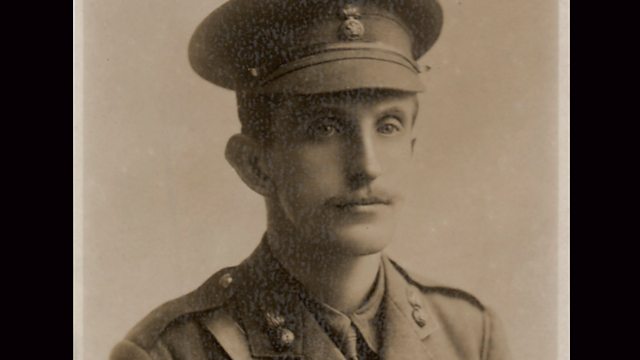
| Arthur O'Neill in his Lifeguard's Uniform |
His first contribution was about the change in regulations about Officers serving in the House for a period of five years or fewer as if on secondment. It seems cruel that before such a five year period was up he was back on active service and killed in the line at Klein Zillebeke ridge during what was to become the first Battle of Ypres. He was also the first serving Member of the House of Commons to die in action.
It was a rough day for 2nd Life Guard the day that O'Neill fell, in letters to the family of 2nd Lt. W.S. Paterson who served with O'Neill we glean the following details as to what happened that day:
"Yesterday afternoon, November 5, we were ordered to support and recapture a village out of which the French had been driven. The whole regiment dismounted and advanced under heavy rifle fire on the village, which was charged at the point of the bayonet by us. Your son - Lt. Peterson - was shot through the heart during this charge. I am most profoundly grieved; he was such a splendid fellow and such a great friend.
O'Neill's Westminster seat was taken in the subsequent by-election by his brother Hugo, who as the seat became first Antrim and then North Antrim continued to serve retiring as father of the House in 1952. Hugo was also to he be the first speaker of the Northern Ireland Parliament elected for Antrim in 1921.
"We cleared the village at the point of the bayonet killing about 30 Germans and capturing about 20. I was the only officer left after this attack as our commanding officer, Major Dawney, a most gallant man was killed sitting next to me in the trench by a shrapnel shell. We also lost Captain O'Neill, killed, and Mr. Johnson and Mr. Hobson wounded, during this attack."
"Our brigade, the regiment itself, were known to stay in the trenches longer than anyone else. Your brother died with two other officers of the regiment, Major Dawney, commanding and Captain Arthur O'Neill, in driving the Germans back; they accomplished this work and in so doing actually saved most likely a great defeat of our arms; the fact is recognised by the General. I heard - I do not vouch for the truth of it - your brother (Peterson) killed 16 Germans before he was killed."
"As the senior officer left with the regiment, and as I was also the squadron leader, I write to let you know that he (Peterson) died leading his troops most gallantly as we advanced under enemy fire."
It was not to be the last connection with the Northern Ireland Parliament for the family, Arthur's third son Terence was the be the fourth Prime Minister of Northern Ireland from 1966-69. He has served in the Army during the second World War before taking the seat of Bannside in the 1946 elections to the Northern Ireland Parliament a seat he would hold until 1970 when he was replaced by Ian Paisley.
Update: Here is the front of today's Order Papers for the House of Commons which as an act of remembrance remembered the first of their number to be killed in WWI.
Read also: The History of Parliament Blog also had the same idea as me, so I expect that I will be linking to them a few more times over the next four years.
Monday, 3 November 2014
Death of a Poet: We Will Remember Them Georg Trakl 3 November 2014
Georg Trakl was an Austrian pharmacist, poet and playwright who spent the first 21 years of his life in the home town of Mozart, before moving to Vienna. Despite his parents being protestants he was sent the the Catholic elementary school and started writing poetry from the age of 13.
After quitting high school he worked in a pharmacy and pursued this as a career as well as writing two short plays All Soul's Day and Fata Morgana but neither was a success. His move to Vienna in 1908 was so he could study pharmacy. But also brought him to the attention of Ludwig von Ficker the editor of the journal Der Brenner who became his patron. He approached Ludwig Wittgenstein the philosopher who provided a stipend anonymously so that Trakl could write full time in 1913.
At the outbreak of war he was sent to the Eastern Front as a medical official to treat soldiers in Galicia (which is parts of Ukraine and Poland today). But he suffered bouts of depression treating so many victims of the war. During a serious bout of depression Trakl wrote to Ficker for advise who suggested he communicate with Wittgenstein. Upon received the note from Trakl, Wittgenstein headed to the hospital in which Trakl was stationed only to find he had died of a cocaine overdose.
While not the victim of a bullet, mortar or bombing Trakl is neither the less a victim of the war. He is also the first of the poets in the series to have died on the Eastern Front and therefore his poem about that front is the one that I shall use to mark his memory.
Georg Trakl 3 Feb 1887 Salzburg, Cisleithania, Austria-Hungary - 3 Nov 1914 Krákow, Austria-Hungary (now Poland)See also: The other poets who died in the war.
After quitting high school he worked in a pharmacy and pursued this as a career as well as writing two short plays All Soul's Day and Fata Morgana but neither was a success. His move to Vienna in 1908 was so he could study pharmacy. But also brought him to the attention of Ludwig von Ficker the editor of the journal Der Brenner who became his patron. He approached Ludwig Wittgenstein the philosopher who provided a stipend anonymously so that Trakl could write full time in 1913.
At the outbreak of war he was sent to the Eastern Front as a medical official to treat soldiers in Galicia (which is parts of Ukraine and Poland today). But he suffered bouts of depression treating so many victims of the war. During a serious bout of depression Trakl wrote to Ficker for advise who suggested he communicate with Wittgenstein. Upon received the note from Trakl, Wittgenstein headed to the hospital in which Trakl was stationed only to find he had died of a cocaine overdose.
While not the victim of a bullet, mortar or bombing Trakl is neither the less a victim of the war. He is also the first of the poets in the series to have died on the Eastern Front and therefore his poem about that front is the one that I shall use to mark his memory.
On the Eastern Front
The winter storm's mad organ playing
is like the Volk's dark fury,
the black-red tidal wave of onslaught,
defoliated stars.
is like the Volk's dark fury,
the black-red tidal wave of onslaught,
defoliated stars.
Her features smashed, her arms silver,
night calls to the dying men,
beneath shadows of November's ash,
ghost casualties heave.
night calls to the dying men,
beneath shadows of November's ash,
ghost casualties heave.
A spiky no-man's-land encloses the town.
The moon hunts petrified women
from their blood-spattered doorsteps.
Grey wolves have forced the gates.
The moon hunts petrified women
from their blood-spattered doorsteps.
Grey wolves have forced the gates.
Im Osten
Den wilden Orgeln des Wintersturms
Gleicht des Volkes finstrer Zorn,
Die purpurne Woge der Schlacht,
Entlaubter Sterne.
Gleicht des Volkes finstrer Zorn,
Die purpurne Woge der Schlacht,
Entlaubter Sterne.
Mit zerbrochnen Brauen, silbernen Armen
Winkt sterbenden Soldaten die Nacht.
Im Schatten der herbstlichen Esche
Seufzen die Geister der Erschlagenen.
Winkt sterbenden Soldaten die Nacht.
Im Schatten der herbstlichen Esche
Seufzen die Geister der Erschlagenen.
Dornige Wildnis umgürtet die Stadt.
Von blutenden Stufen jagt der Mond
Die erschrockenen Frauen.
Wilde Wölfe brachen durchs Tor.
Von blutenden Stufen jagt der Mond
Die erschrockenen Frauen.
Wilde Wölfe brachen durchs Tor.
Georg Trakl 3 Feb 1887 Salzburg, Cisleithania, Austria-Hungary - 3 Nov 1914 Krákow, Austria-Hungary (now Poland)See also: The other poets who died in the war.
Thursday, 30 October 2014
Death of a Poet: We Will Remember Them Ernst Stadler 30 October 1914
The German expressionist poet Ernst Stadler had been a Rhodes Scholar in 1906 and studied at Magdalan College, Oxford. Less than a decade later he would no doubt have been facing some of his fellow Oxford colleagues in the war. He was born in the disputed border territory of Alsace-Lorraine in the town of Colmar, as a result of the Franco-Prussian War the region had been annexed by the new German Empire since 1871.
His early work was inspired by amongst others the first poet to have fallen WWI the French poet Charles Péguy with whom he had corresponded. But in 1911 he started to develop a different style more inspired by the free verse style of Walt Whitman which led to his 1913 collection Der Aufbruch.
It was from this collection that one poem Setting Out was used by some as evidence of early enthusiasm for the war, but Stadler himself was disturbed by the lack of respect for human life and how many were becoming desensitised to the violence.
At the outbreak of war he joined the German army as an artillery officer. He was killed in battle during the First Battle of Ypres.
Setting Out
There was a time before, when fanfares bloodily tore apart my own impatient brain,
So that, up-rearing like a horse, it bit savagely at the rein.
Then tambourines sounded the alarm on every path
And a hail of bullets seemed like the loveliest music on earth.
Then, suddenly, life stood still. Different paths were leading between the old trees.
Rooms were tempting. It was sweet to linger and sweet to rest at ease,
And, unchaining my body from reality, like some old dusty armour,
To nestle voluptuosly in the down of soft dream-hour,
But then one morning through the misty air there rolled the echo of the bugle's ring.
Hard, sharp, whistling like a sword-thrust. As if suddenly on darkness lights had started shining.
As if, through the tented dawn, trumpet-jolts had roused the sleeping forces,
The waking soldiers leapt up and struck their tents and busily harnessed their horses.
I was locked into lines like splints that thrust into morning, with fire on helmet and stirrup,
Forward, with battle in my blood and in my eyes, and reins held up.
Perhaps in the evening, victory marches would play around my head.
Perhaps we all would lie somewhere, stretched out among the dead.
But before the reaching out and before the sinking,
Our eyes would see their fill of world and sun, and take it in, glowing and drinking.
Ernst Stadler 11 Oct 1883 Colmar, Alsace, (then Germany) - 30 Oct 1914 Zandvoorde, Flanders, Belgium
His early work was inspired by amongst others the first poet to have fallen WWI the French poet Charles Péguy with whom he had corresponded. But in 1911 he started to develop a different style more inspired by the free verse style of Walt Whitman which led to his 1913 collection Der Aufbruch.
It was from this collection that one poem Setting Out was used by some as evidence of early enthusiasm for the war, but Stadler himself was disturbed by the lack of respect for human life and how many were becoming desensitised to the violence.
At the outbreak of war he joined the German army as an artillery officer. He was killed in battle during the First Battle of Ypres.
Setting Out
There was a time before, when fanfares bloodily tore apart my own impatient brain,
So that, up-rearing like a horse, it bit savagely at the rein.
Then tambourines sounded the alarm on every path
And a hail of bullets seemed like the loveliest music on earth.
Then, suddenly, life stood still. Different paths were leading between the old trees.
Rooms were tempting. It was sweet to linger and sweet to rest at ease,
And, unchaining my body from reality, like some old dusty armour,
To nestle voluptuosly in the down of soft dream-hour,
But then one morning through the misty air there rolled the echo of the bugle's ring.
Hard, sharp, whistling like a sword-thrust. As if suddenly on darkness lights had started shining.
As if, through the tented dawn, trumpet-jolts had roused the sleeping forces,
The waking soldiers leapt up and struck their tents and busily harnessed their horses.
I was locked into lines like splints that thrust into morning, with fire on helmet and stirrup,
Forward, with battle in my blood and in my eyes, and reins held up.
Perhaps in the evening, victory marches would play around my head.
Perhaps we all would lie somewhere, stretched out among the dead.
But before the reaching out and before the sinking,
Our eyes would see their fill of world and sun, and take it in, glowing and drinking.
Ernst Stadler 11 Oct 1883 Colmar, Alsace, (then Germany) - 30 Oct 1914 Zandvoorde, Flanders, Belgium
Thursday, 4 September 2014
Death of a Poet: We Will Remember Them Charles Péguy 4 September 1914
The first poet to die in the First World War was the French free verse poet Charles Péguy who was socialist and nationalist. From 1908 he was a non-practising Roman Catholic and an uneasy agnostic.
When the war broke out he became a Lieutenant in the 19th Company of the French 276th Infantry Regiment. His military career was short lived, he was shot in the forehead the day before the start of the Battle of the Marne, the second major battle of the war in a bit to prevent the German advance into France and to take away their freedom.
It is therefore his poem Freedom that we will use to remember him, translated below into English.
Freedom
GOD SPEAKS:
When you love someone, you love him as he is.
I alone am perfect.
It is probably for that reason
That I know what perfection is
And that I demand less perfection of those poor people.
I know how difficult it is.
And how often, when they are struggling in their trials,
How often do I wish and am I tempted to put my hand under their stomachs
In order to hold them up with my big hand
Just like a father teaching his son how to swim
In the current of the river
And who is divided between two ways of thinking.
For on the one hand, if he holds him up all the time and if he holds him too much,
The child will depend on this and will never learn how to swim.
But if he doesn't hold him up just at the right moment
That child is bound to swallow more water than is healthy for him.
In the same way, when I teach them how to swim amid their trials
I too am divided by two ways of thinking.
Because if I am always holding them up, if I hold them up too often,
They will never learn how to swim by themselves.
But if I don't hold them up just at the right moment,
Perhaps those poor children will swallow more water than is healthy for them.
Such is the difficulty, and it is a great one.
And such is the doubleness itself, the two faces of the problem.
On the one hand, they must work out their salvation for themselves. That is the rule.
It allows of no exception. Otherwise it would not be interesting. They would not be men.
Now I want them to be manly, to be men, and to win by themselves
Their spurs of knighthood.
On the other hand, they must not swallow more water than is healthy for them,
Having made a dive into the ingratitude of sin.
Such is the mystery of man's freedom, says God,
And the mystery of my government towards him and towards his freedom.
If I hold him up too much, he is no longer free
And if I don't hold him up sufficiently, I am endangering his salvation.
Two goods in a sense almost equally precious.
For salvation is of infinite price.
But what kind of salvation would a salvation be that was not free?
What would you call it?
We want that salvation to be acquired by himself,
Himself, man. To be procured by himself.
To come, in a sense, from himself. Such is the secret,
Such is the mystery of man's freedom.
Such is the price we set on man's freedom.
Because I myself am free, says God, and I have created man in my own image and likeness.
Such is the mystery, such the secret, such the price
Of all freedom.
That freedom of that creature is the most beautiful reflection in this world
Of the Creator's freedom. That is why we are so attached to it,
And set a proper price on it.
A salvation that was not free, that was not, that did not come from a free man could in no wise be attractive to us. What would it amount to?
What would it mean?
What interest would such a salvation have to offer?
A beatitude of slaves, a salvation of slaves, a slavish beatitude, how do you expect me to interested in that kind of thing? Does one care to be loved by slaves?
If it were only a matter of proving my might, my might has no need of those slaves, my might is well enough known, it is sufficiently known that I am the Almighty.
My might is manifest enough in all matter and in all events.
My might is manifest enough in the sands of the sea and in the stars of heaven.
It is not questioned, it is known, it is manifest enough in inanimate creation.
It is manifest enough in the government,
In the very event that is man.
But in my creation which is endued with life, says God, I wanted something more.
Infinitely better. Infinitely more. For I wanted that freedom.
I created that very freedom. There are several degrees to my throne.
When you once have known what it is to be loved freely, submission no longer has any taste.
All the prostrations in the world
Are not worth the beautiful upright attitude of a free man as he kneels. All the submission, all the dejection in the world
Are not equal in value to the soaring up point,
The beautiful straight soaring up of one single invocation
From a love that is free.
Charles Péguy 7 Jan 1873 Orléans, France - 4 Sep 1914 Villeroy, Seine-et-Marne, France
See also: The other poets who died in the war.
When the war broke out he became a Lieutenant in the 19th Company of the French 276th Infantry Regiment. His military career was short lived, he was shot in the forehead the day before the start of the Battle of the Marne, the second major battle of the war in a bit to prevent the German advance into France and to take away their freedom.
It is therefore his poem Freedom that we will use to remember him, translated below into English.
Freedom
GOD SPEAKS:
When you love someone, you love him as he is.
I alone am perfect.
It is probably for that reason
That I know what perfection is
And that I demand less perfection of those poor people.
I know how difficult it is.
And how often, when they are struggling in their trials,
How often do I wish and am I tempted to put my hand under their stomachs
In order to hold them up with my big hand
Just like a father teaching his son how to swim
In the current of the river
And who is divided between two ways of thinking.
For on the one hand, if he holds him up all the time and if he holds him too much,
The child will depend on this and will never learn how to swim.
But if he doesn't hold him up just at the right moment
That child is bound to swallow more water than is healthy for him.
In the same way, when I teach them how to swim amid their trials
I too am divided by two ways of thinking.
Because if I am always holding them up, if I hold them up too often,
They will never learn how to swim by themselves.
But if I don't hold them up just at the right moment,
Perhaps those poor children will swallow more water than is healthy for them.
Such is the difficulty, and it is a great one.
And such is the doubleness itself, the two faces of the problem.
On the one hand, they must work out their salvation for themselves. That is the rule.
It allows of no exception. Otherwise it would not be interesting. They would not be men.
Now I want them to be manly, to be men, and to win by themselves
Their spurs of knighthood.
On the other hand, they must not swallow more water than is healthy for them,
Having made a dive into the ingratitude of sin.
Such is the mystery of man's freedom, says God,
And the mystery of my government towards him and towards his freedom.
If I hold him up too much, he is no longer free
And if I don't hold him up sufficiently, I am endangering his salvation.
Two goods in a sense almost equally precious.
For salvation is of infinite price.
But what kind of salvation would a salvation be that was not free?
What would you call it?
We want that salvation to be acquired by himself,
Himself, man. To be procured by himself.
To come, in a sense, from himself. Such is the secret,
Such is the mystery of man's freedom.
Such is the price we set on man's freedom.
Because I myself am free, says God, and I have created man in my own image and likeness.
Such is the mystery, such the secret, such the price
Of all freedom.
That freedom of that creature is the most beautiful reflection in this world
Of the Creator's freedom. That is why we are so attached to it,
And set a proper price on it.
A salvation that was not free, that was not, that did not come from a free man could in no wise be attractive to us. What would it amount to?
What would it mean?
What interest would such a salvation have to offer?
A beatitude of slaves, a salvation of slaves, a slavish beatitude, how do you expect me to interested in that kind of thing? Does one care to be loved by slaves?
If it were only a matter of proving my might, my might has no need of those slaves, my might is well enough known, it is sufficiently known that I am the Almighty.
My might is manifest enough in all matter and in all events.
My might is manifest enough in the sands of the sea and in the stars of heaven.
It is not questioned, it is known, it is manifest enough in inanimate creation.
It is manifest enough in the government,
In the very event that is man.
But in my creation which is endued with life, says God, I wanted something more.
Infinitely better. Infinitely more. For I wanted that freedom.
I created that very freedom. There are several degrees to my throne.
When you once have known what it is to be loved freely, submission no longer has any taste.
All the prostrations in the world
Are not worth the beautiful upright attitude of a free man as he kneels. All the submission, all the dejection in the world
Are not equal in value to the soaring up point,
The beautiful straight soaring up of one single invocation
From a love that is free.
Charles Péguy 7 Jan 1873 Orléans, France - 4 Sep 1914 Villeroy, Seine-et-Marne, France
See also: The other poets who died in the war.
Subscribe to:
Posts (Atom)